

Paillard, this name probably doesn't evoke much nowadays. On the other hand, for many amateur and professional filmmakers of the past century, Paillard Bolex cameras, derived from a long manufacturing tradition of automatons and music boxes, were synonymous with quality and durability.
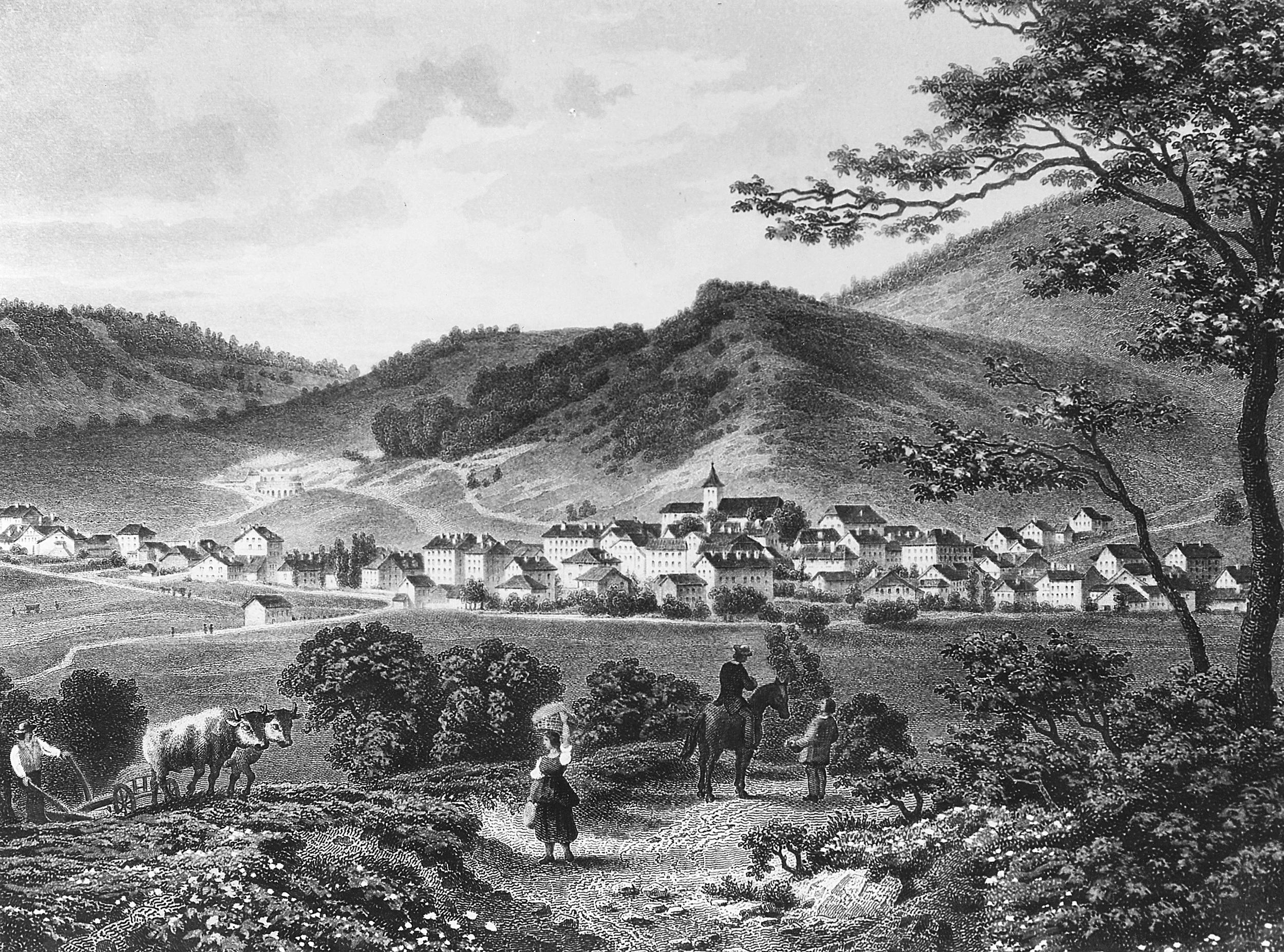
Sainte-Croix - the place where the winters are rough, is where the H16 camera was developed. "Well designed in its shape and concept", such was the camera Paillard in 1935.
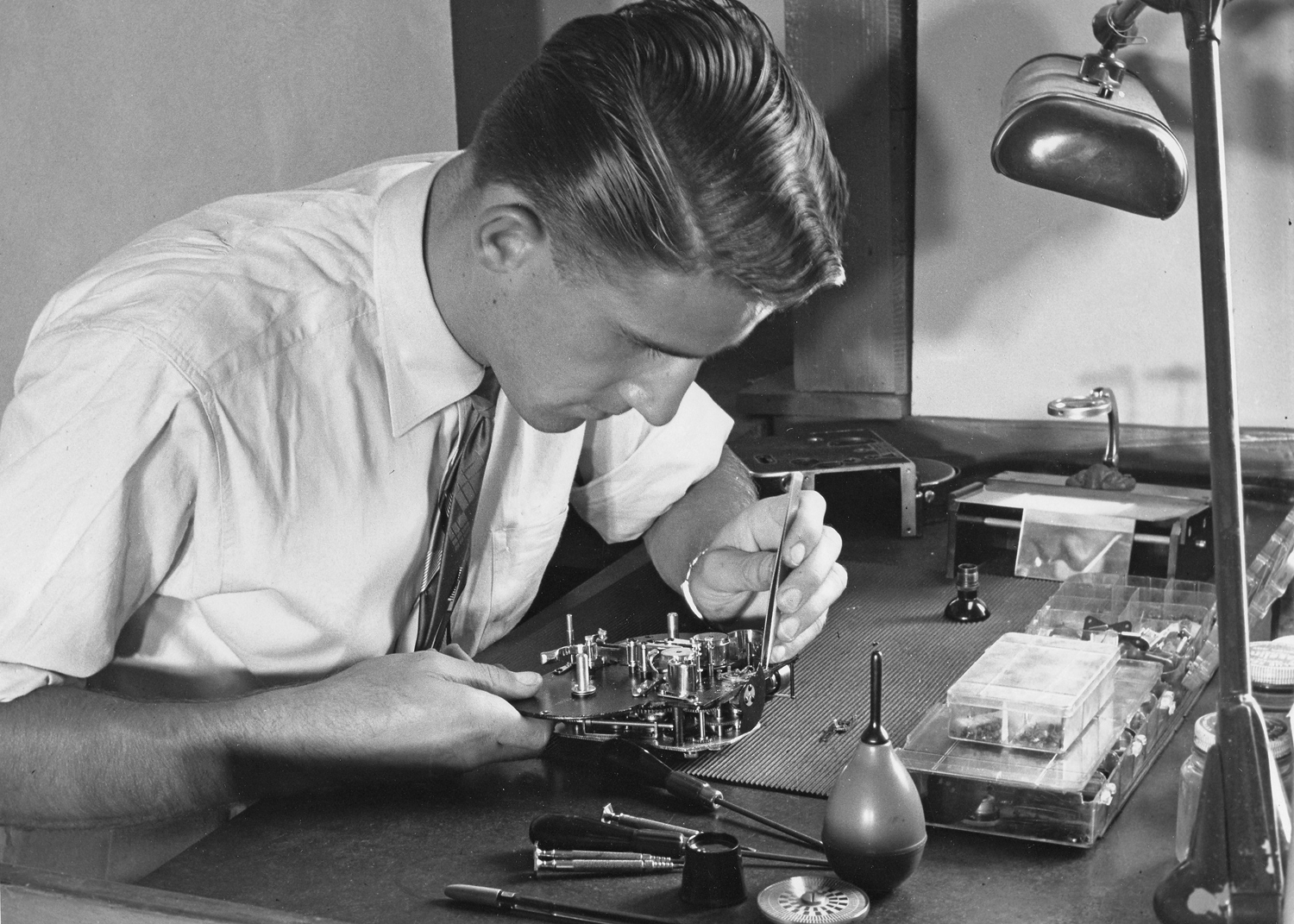
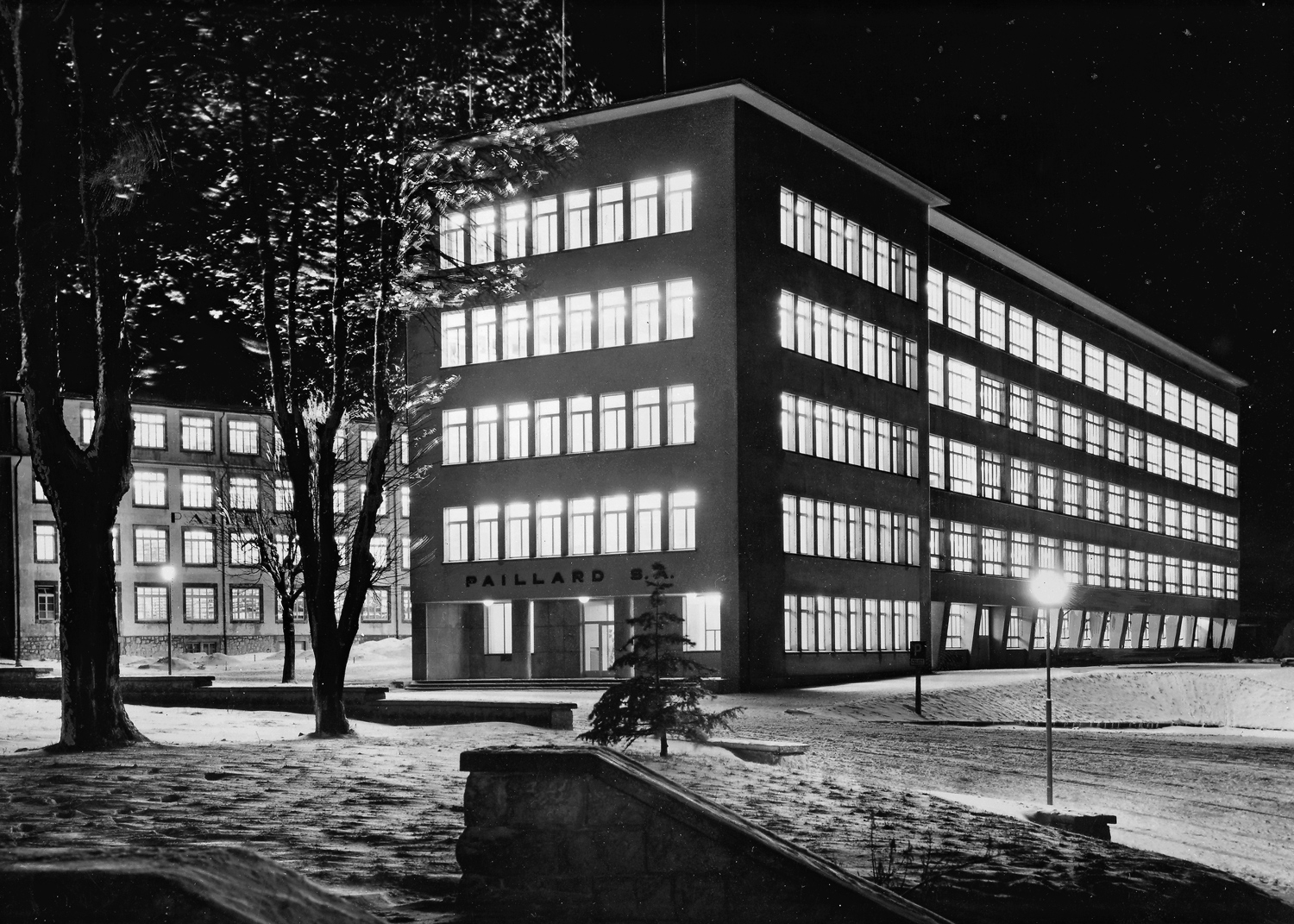
This fine mechanics served to create art and allowed the rise of a cinema for all. Everyone was able to create their own entertainment and bring their own view of the world. A legend at the bottom of a Sainte-Croix factory photo reminds us that every minute a camera was produced there.

At a time when celluloid filmmaking is in its final stages, the documentary dust off these souvenir boxes hidden in the back of the closets testify to the various cinematographic practices of the past century.
Created in 1935 and mass-produced in the late 1940s, the Paillard cameras have enabled the development of a local cinema for everyone. Families, travelers and amateurs, as well as experienced or emerging artists, that’s the clientele who used the Paillard cameras.
Entirely shot with vintage cameras (8mm, 16mm, super8), the film is inspired by the different tools and practices that mechanical cameras have generated to transmit, what you and I might never have seen.


